By Kai Lani | WAHA Surf Shop
The Hawaiian Shirt: A Cultural Icon
The Hawaiian shirt, known locally as the "aloha shirt," is perhaps the most recognizable symbol of tropical fashion. But this colorful garment has a rich history that goes far beyond casual Friday wear.
Origins of the Aloha Shirt
The aloha shirt emerged in Hawaii during the 1930s, blending Japanese kimono fabrics, Filipino barong styling, and American tailoring. Local tailors began creating shirts from colorful Japanese fabrics, and the style quickly caught on with both locals and tourists.
During World War II, servicemen stationed in Hawaii brought aloha shirts home as souvenirs, spreading the style across the mainland. By the 1950s, the Hawaiian shirt had become synonymous with relaxation and tropical escape. According to the documented history, early aloha shirts were handmade from imported fabrics, and some vintage examples from that era now sell for thousands of dollars at auction.
Choosing the Right Hawaiian Shirt
Not all Hawaiian shirts are created equal. Here's what to look for:
- Fabric: Traditional shirts use rayon or silk for a soft drape. Cotton blends are more practical for everyday wear.
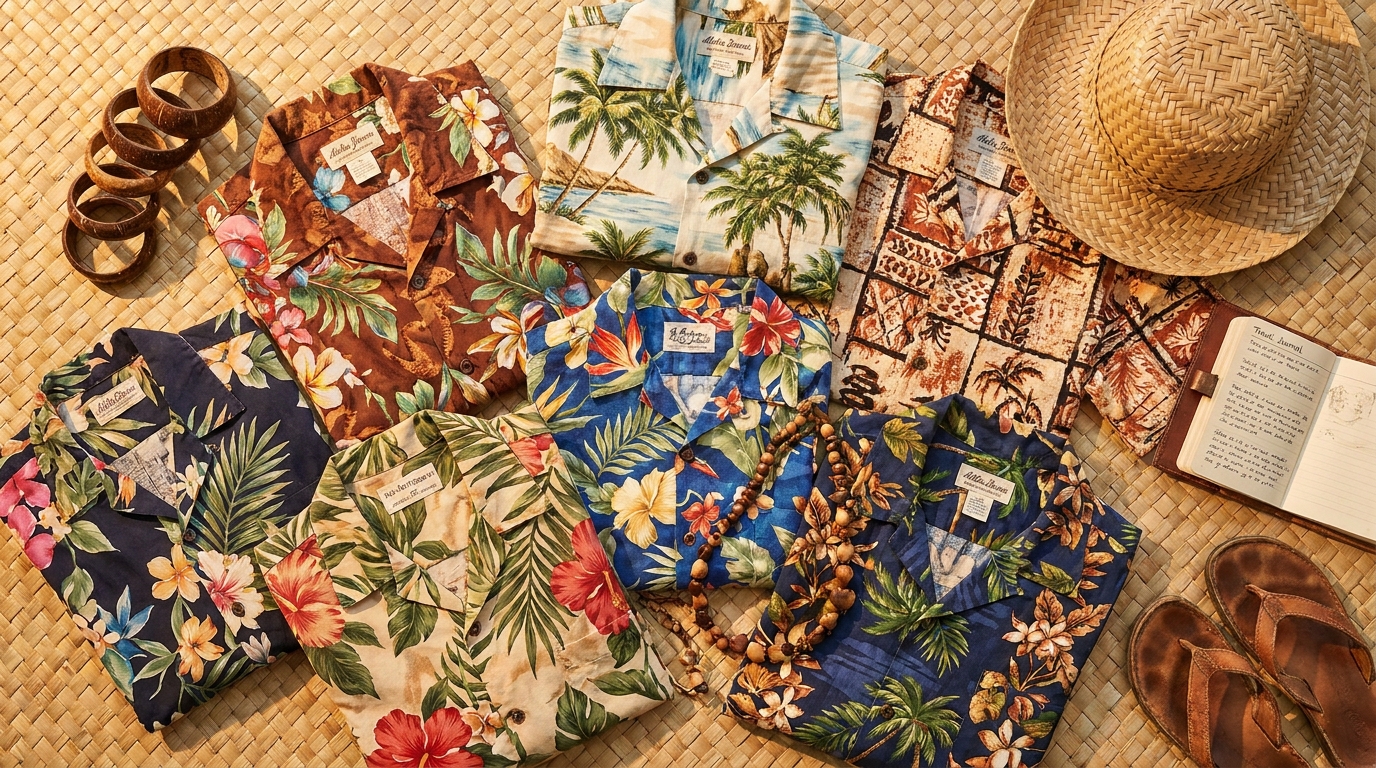
- Prints: Classic designs include tropical flowers, palm trees, and ocean scenes. Vintage-style prints often feature more subdued colors.
- Fit: Traditional aloha shirts are designed to be worn untucked and fit loosely for comfort in tropical heat.
- Quality: Look for matched patterns at seams and buttons made from coconut shell or mother of pearl.
A good aloha shirt should feel comfortable enough for a full day in tropical weather but look sharp enough for a casual dinner. The best ones manage both effortlessly. Invest in one or two quality shirts rather than a closet full of cheap imitations, and they'll last for years.
How to Wear It
The aloha shirt is versatile:
- Casual: Pair with shorts and sandals for beach days
- Smart casual: Tuck into chinos with loafers for restaurants
- Business casual: Some Hawaiian companies accept aloha shirts as appropriate office wear
In Hawaii, wearing an aloha shirt to formal events is standard practice. "Aloha attire" appears on invitations to weddings, business dinners, and government functions. The shirt carries real cultural weight on the islands, not just resort tourist appeal. Wearing one respectfully means appreciating where it came from, not treating it as a costume.
Beyond the Aloha Shirt
Beach fashion encompasses much more than shirts:
Beach Accessories
- Straw hats: Essential sun protection with island style
- Shell jewelry: Puka shells and other natural materials
- Reef-safe sunscreen: Protect yourself and the ocean
- Canvas totes: Practical and stylish for beach days
Footwear
In Hawaii, the flip-flop reigns supreme. Locals call them "slippers" or "rubbah slippahs." Quality leather sandals work for nicer occasions, while water shoes protect feet on rocky beaches.
The choice of footwear reveals a lot about beach culture in general. Minimal, easy to slip on and off, and built for sand and salt water, that's the priority. Heavy shoes feel wrong at the coast, and locals in Hawaii go barefoot more often than visitors expect. Keeping it simple underfoot reflects the broader approach to island living, where comfort and practicality always win over formality.
Swimwear Trends and Classics
Board shorts have evolved significantly since their origins as cut-off chinos in the 1960s. Modern board shorts use quick-dry fabrics with four-way stretch, making them functional in the water and comfortable on land. The best pairs transition seamlessly from a surf session to a beachside lunch without looking out of place at either.
For women, one-piece swimsuits have made a strong comeback alongside the traditional bikini. Surf-specific swimwear prioritizes function with secure fits and rash guard properties, while still looking good on the beach. Many surf brands now design swimwear that handles actual ocean conditions rather than just poolside lounging.
Sustainable Beach Fashion
As awareness grows about fashion's environmental impact, many beach brands are embracing sustainability:
- Recycled materials from ocean plastics
- Organic cotton and natural dyes
- Fair trade and ethical manufacturing
- Timeless styles that outlast fast fashion trends
The connection between ocean health and fashion choices becomes obvious when you spend time in the water. Microplastics from synthetic fabrics end up in the ocean, and cheap swimwear that falls apart after a few uses creates unnecessary waste. Buying fewer, better-made pieces from brands that prioritize environmental responsibility aligns with the sustainable surfing values that many beach communities hold.
Building a Beach Wardrobe
You don't need a huge collection to dress well for island life. A practical beach wardrobe centers on a few key pieces that mix and match easily:
- Two or three quality board shorts or swim trunks in different colors
- One well-made aloha shirt for evenings and nicer occasions
- Several lightweight cotton or linen t-shirts
- A light hoodie or windbreaker for cooler evenings
- Comfortable sandals and one pair of water shoes
- A wide-brimmed hat for sun protection
The best beach wardrobes feel effortless because every piece works together. Stick to a simple color palette, choose fabrics that breathe in heat, and prioritize items that can handle salt, sand, and sun without falling apart. Island style at its best looks casual without looking careless.